Where Winds Meet: Official Game Introduction & Feature Overview
I. Game Overview
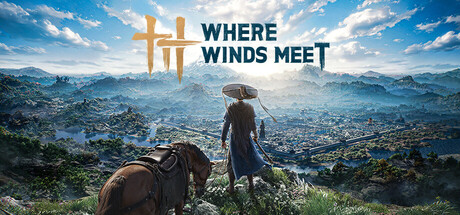
Where Winds Meet is an open-world action RPG set in China’s Five Dynasties and Ten Kingdoms period, a tumultuous era of war and cultural transformation. Developed by Everstone Studio, the game blends historical authenticity with wuxia fantasy, inviting players to carve their own legend in a world where political intrigue and martial arts prowess collide. The title symbolizes the convergence of destinies and ideologies in a land torn by conflict.
II. Core World & Setting
-
Historical Foundation: The game draws inspiration from the historical struggle for the Sixteen Prefectures of Yan and Yun, weaving fictional narratives into real geopolitical tensions between the Khitan Liao, Later Zhou, and emerging Song Dynasty.
-
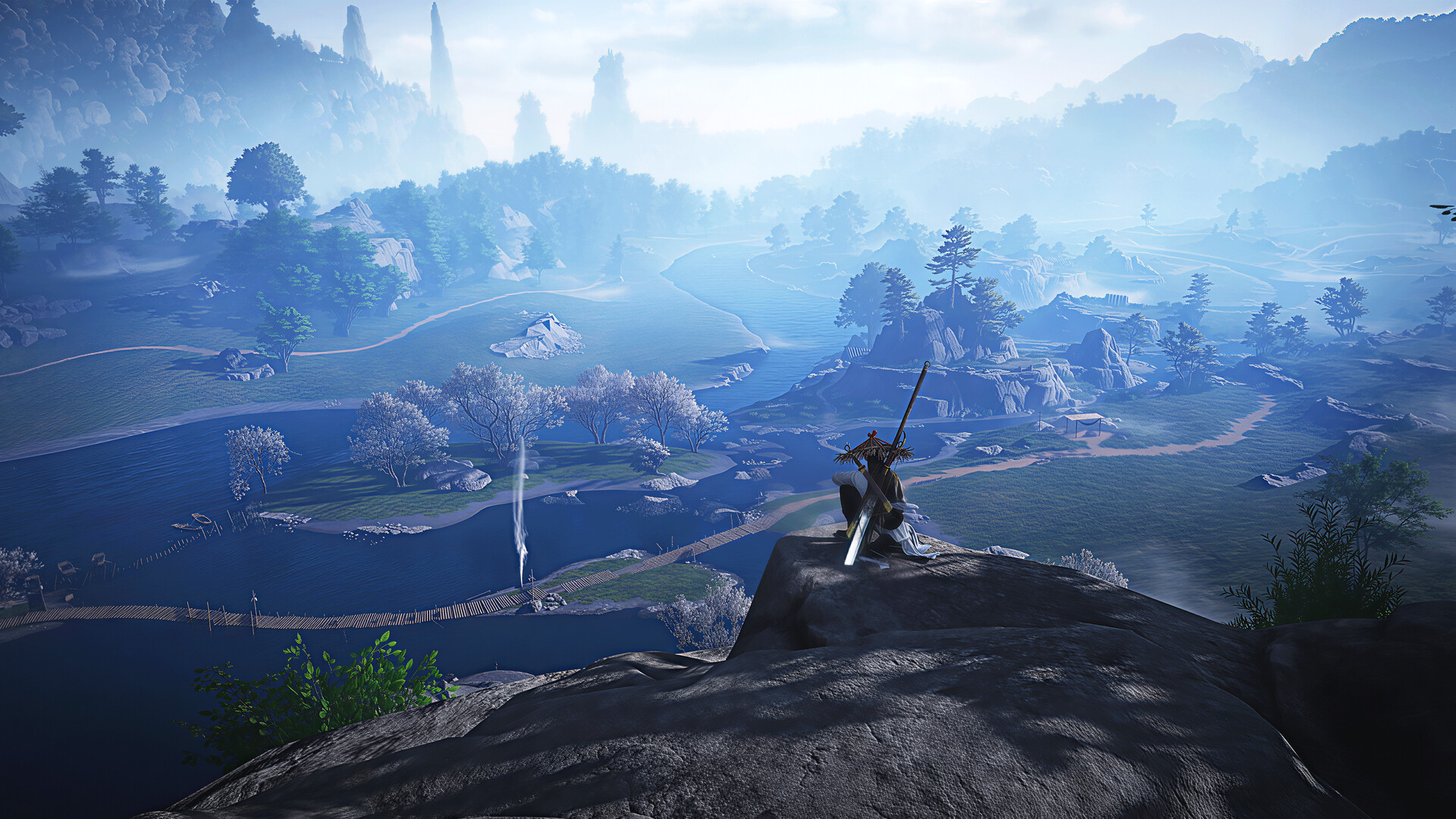
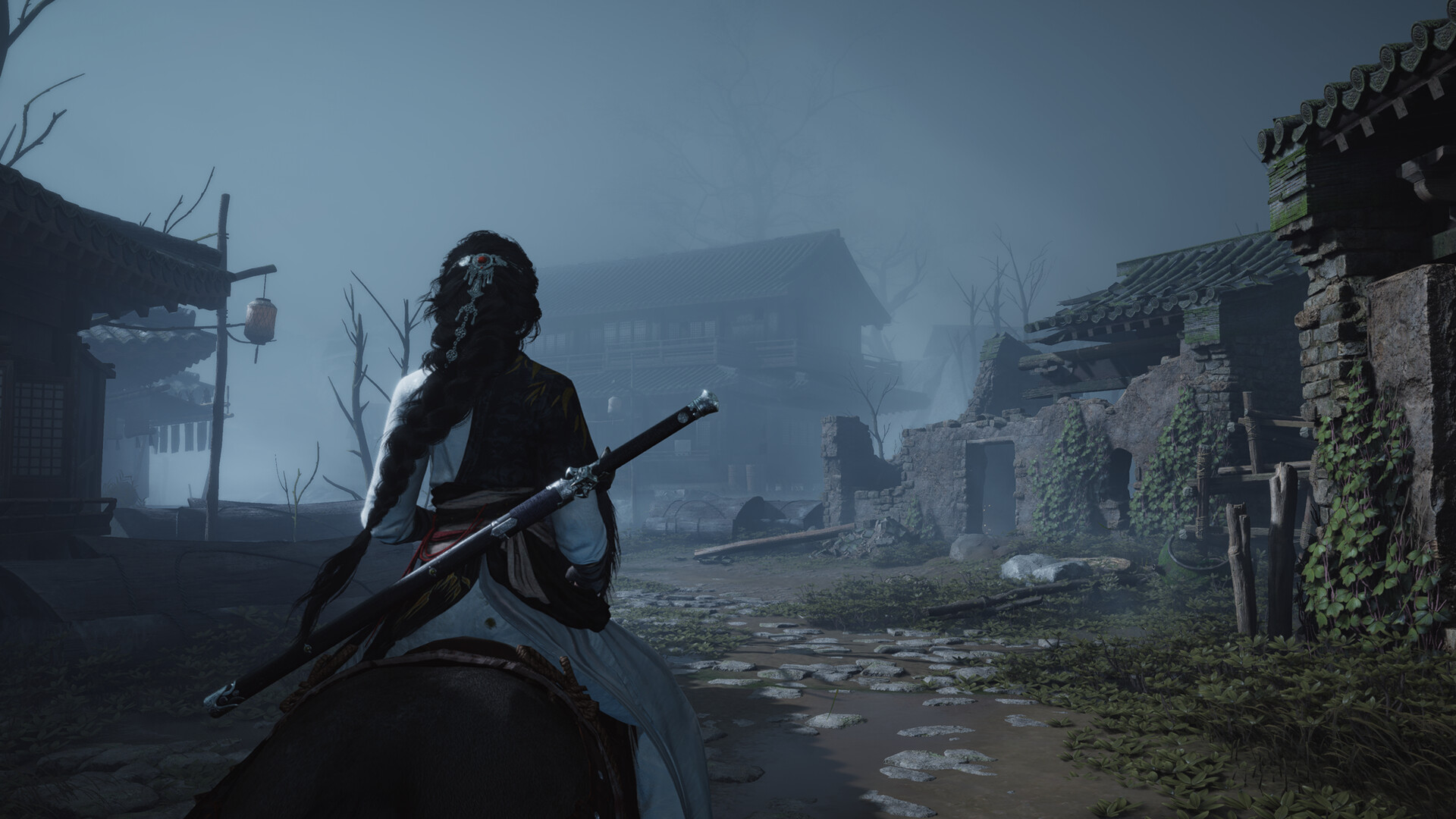
Living Landscape: From northern snowfields and dense forests to fortified cities and hidden martial sects, the game world is designed as a seamless, dynamic environment that reacts to player actions and the passage of time.
-
Faction Dynamics: Players navigate a complex web of loyalties, interacting with military regimes, rebel groups, scholarly societies, and underground networks—each with their own agendas and secrets.
III. Key Gameplay Features
1. Martial Arts Combat System
-
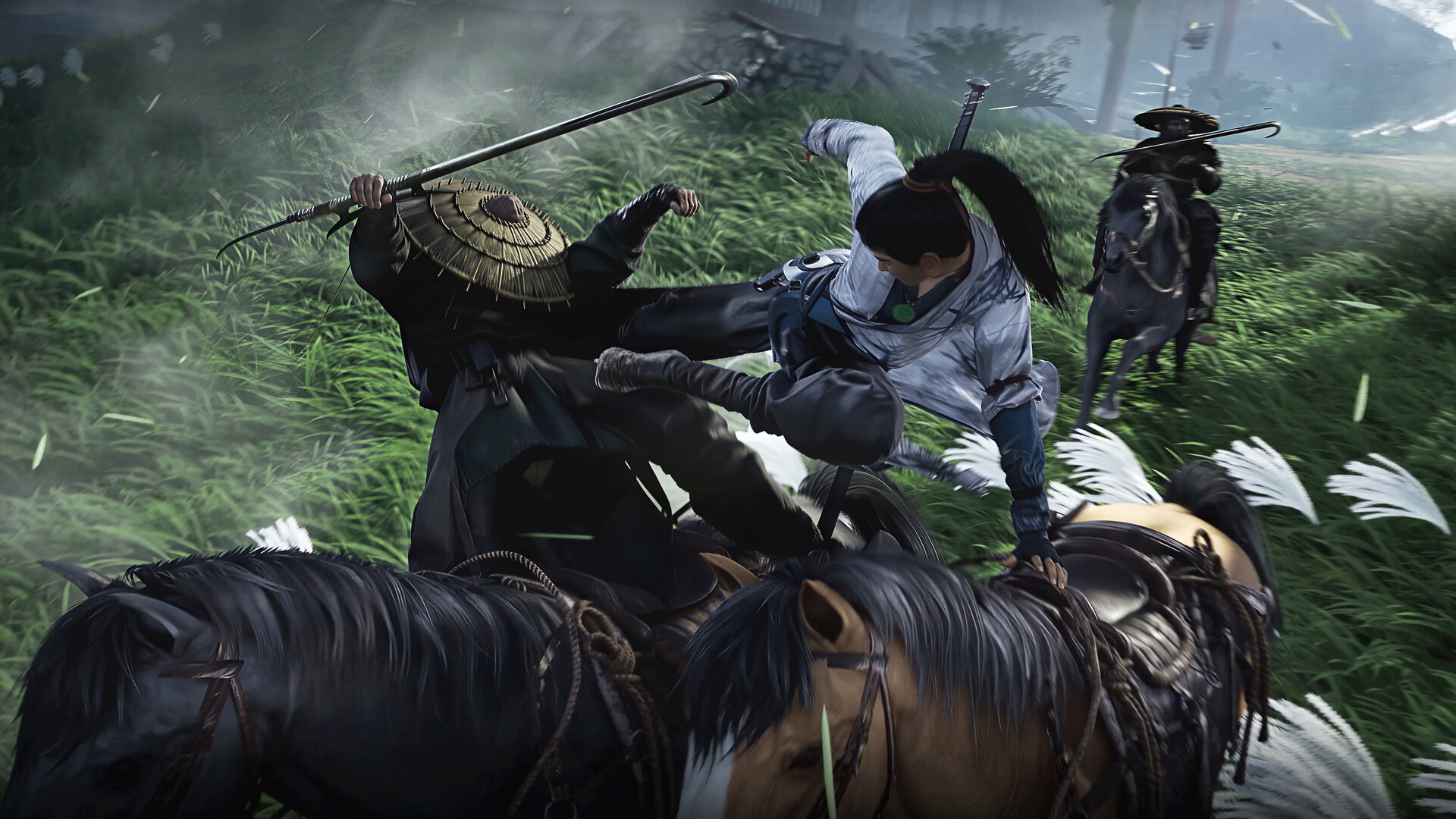
Dual Cultivation: Master both external weapon techniques (emphasizing combos, parries, and stances) and internal energy control (managing qi flow, meridians, and elemental affinities).
-
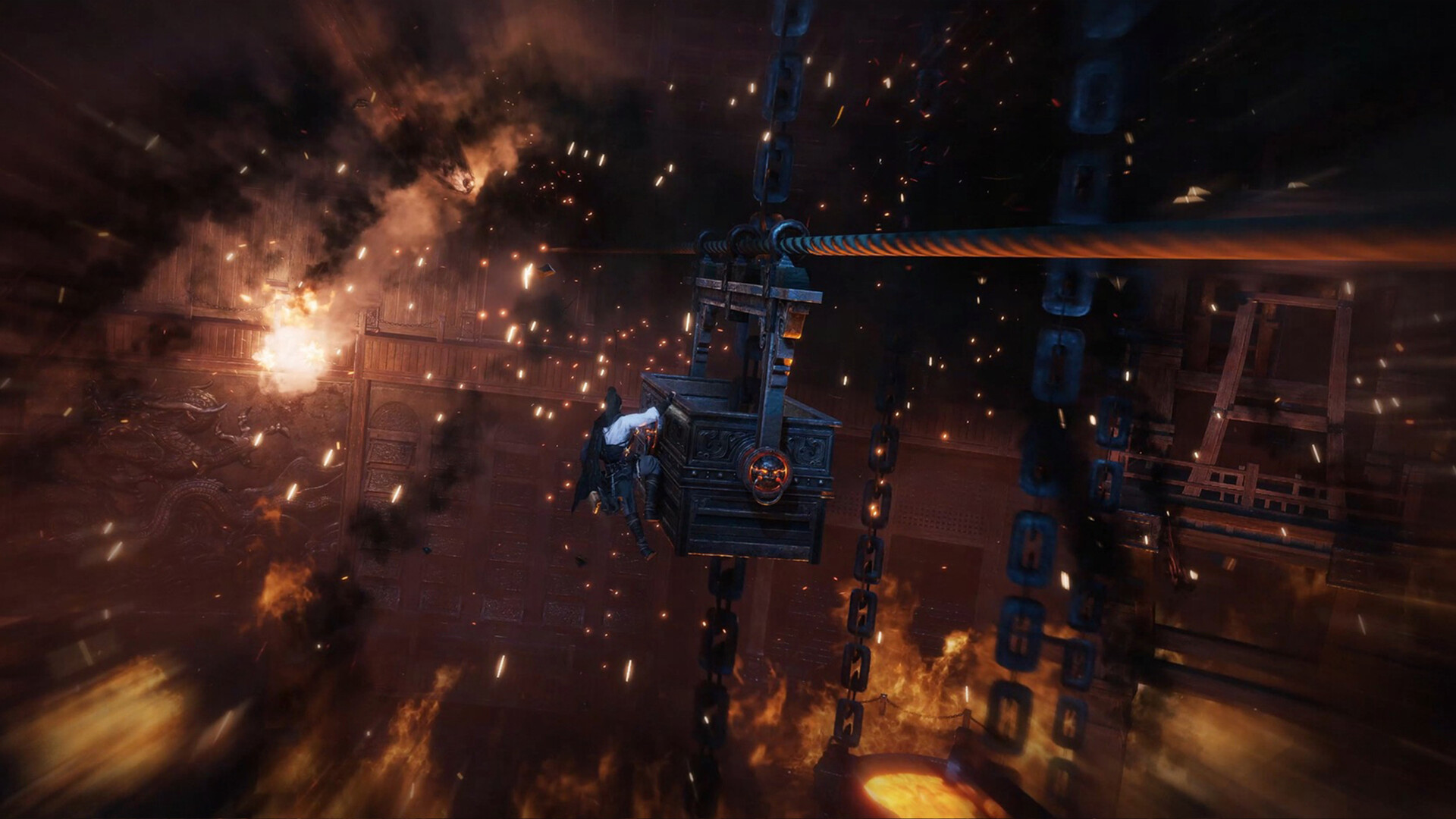
Contextual Combat: Utilize the environment—swinging from ropes, kicking objects, or leveraging weather effects—to gain tactical advantages.
-
Organic Skill Development: Learn abilities through scrolls, observing masters, or personal epiphanies rather than rigid skill trees, allowing for highly personalized combat styles.
2. Dynamic Open World
-
Evolving Timeline: Key historical events unfold as the game progresses, and player decisions can influence regional outcomes.
-
Autonomous NPCs: Characters follow daily routines, remember interactions, and form opinions based on the player’s reputation and behavior.
-
Role Flexibility: Adopt various roles—such as wandering physician, merchant, diplomat, or assassin—to experience different storylines and gameplay mechanics.
3. Artistic & Cultural Expression
-
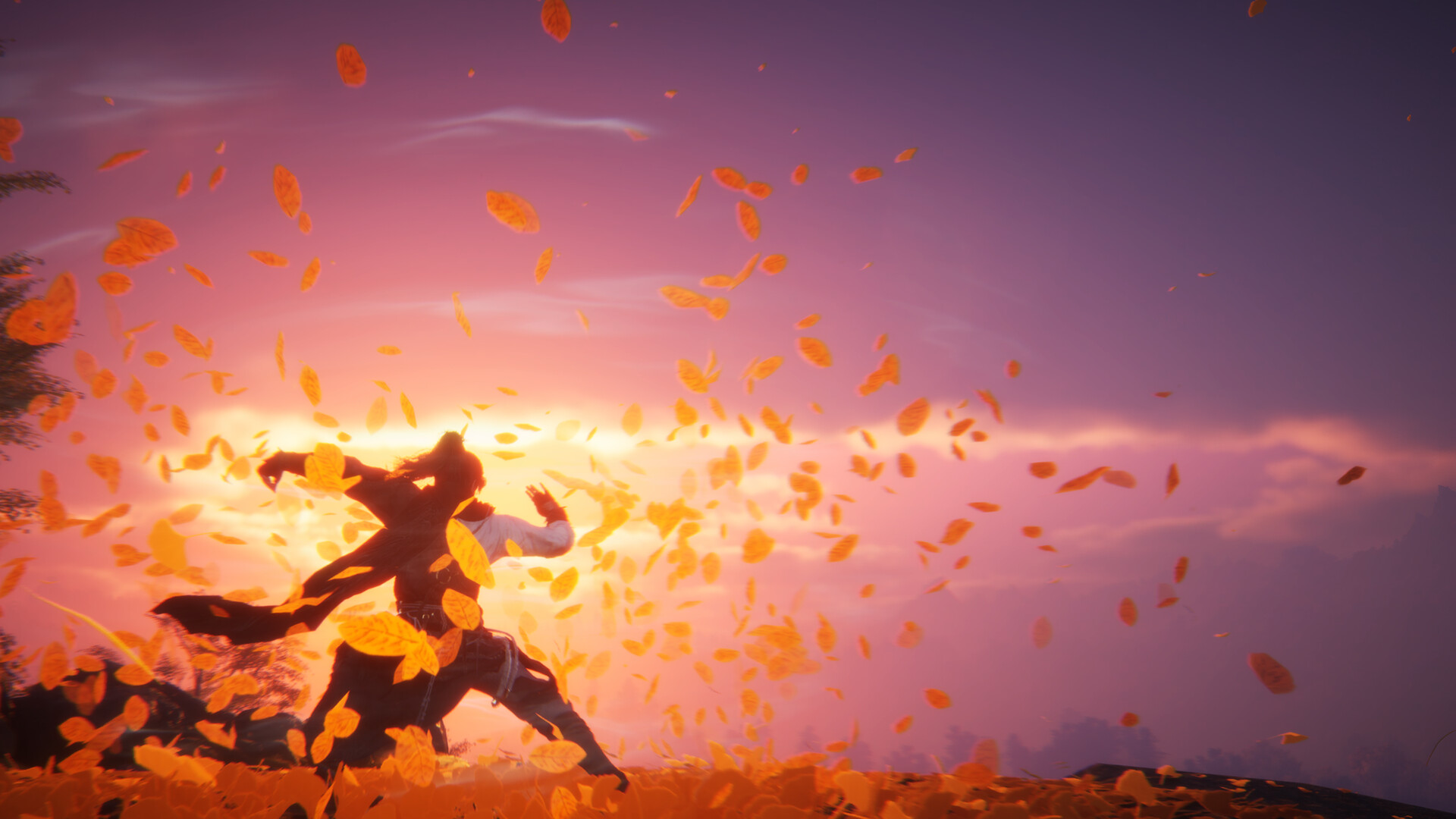
Ink-Wash Aesthetics: The game’s visual style incorporates traditional Chinese painting techniques, with dynamic ink-splash effects during combat and exploration.
-
Interactive Music System: Playable instruments (like the guqin or xiao) can soothe or provoke NPCs, solve puzzles, and unlock hidden quests.
-
Seasonal & Festival Content: The 24 solar terms and traditional festivals affect world events, resource availability, and unique martial arts opportunities.
IV. Deep Gameplay Systems
1. Survival & Society
-
Realistic Needs: Manage hunger, fatigue, and injuries with period-appropriate food, medicine, and rest.
-
Relationship Webs: Build friendships, rivalries, and alliances that open or close narrative branches and gameplay options.
-
Faction Development: Lead or elevate a martial sect through resource management, recruitment, and territorial disputes.
2. Quest & Narrative Design
-
Morally Ambiguous Choices: Decisions are rarely black-and-white, often forcing players to weigh personal ethics against practical consequences.
-
Investigation & Discovery: Many quests require piecing together clues from dialogues, documents, and environmental details.
-
Multiple Approaches: Objectives can be completed through combat, stealth, persuasion, bribery, or clever manipulation of NPCs.
3. Character Progression
-
Meridian Network: Unblock and enhance acupuncture points to improve attributes and unlock special internal skills.
-
Epiphany Mechanics: Gain unique insights by meditating in specific locations or under certain conditions (e.g., during a thunderstorm or atop a mountain peak).
-
Weapon Bonding: Weapons improve with use and care, developing special traits and visual changes over time.
V. Multiplayer & Community Features
1. Optional Cooperative & Competitive Play
-
Dynamic World Events: Large-scale challenges like border skirmishes or legendary beast hunts encourage spontaneous player cooperation.
-
Rumor & Information System: Players can spread truths or falsehoods through in-game channels, influencing economies and faction relations.
-
Honorable Duels: Engage in non-lethal sparring matches to test skills and earn respect without losing progress.
2. Player-Driven Ecosystems
-
Martial Lineages: Create and share custom combat techniques with apprentices or disciples.
-
Crafting & Economy: Rare schematics and materials can be traded in player-influenced markets.
-
Prestige Rankings: Leaderboards track achievements in categories like combat mastery, exploration, and diplomacy.
VI. System Requirements
Minimum:
-
OS: Windows 10/11 64-bit
-
CPU: Intel Core i7-7700K / AMD Ryzen 5 1600
-
RAM: 16 GB
-
GPU: NVIDIA GTX 1060 (6GB) / AMD RX 480 (8GB)
-
DirectX: 12
-
Storage: 100 GB SSD
-
Internet: Broadband connection
Recommended:
-
OS: Windows 10/11 64-bit
-
CPU: Intel Core i7-10700 / AMD Ryzen 7 3700X
-
RAM: 32 GB
-
GPU: NVIDIA RTX 2070 SUPER / AMD RX 6700 XT / Intel ARC A750
-
DirectX: 12
-
Storage: 100 GB SSD
-
Internet: Broadband connection
Optimal (4K/Ray Tracing):
-
GPU: NVIDIA RTX 4080 or AMD RX 7900 XTX
-
Support: DLSS 3 / FSR 3, ray-traced global illumination and reflections
Final Notes:
Where Winds Meet aims to redefine the wuxia genre by offering unprecedented freedom in a historically grounded, systemic open world. Its success will hinge on delivering a believable, reactive environment where player choices resonate meaningfully. If realized as envisioned, it could set a new standard for narrative-driven action RPGs with deep cultural roots.